Myofascial Release Therapy in North York
Myofascial release in North York is a hands-on massage technique that uses slow, sustained pressure and gentle stretching to soften tight fascia, the connective tissue that wraps every muscle. It helps ease stiffness, chronic tension, posture strain and restricted movement. Our experienced RMTs often pair it with deep tissue massage and structural integration. Direct billing available. Book myofascial release today.
What Is Myofascial Release?
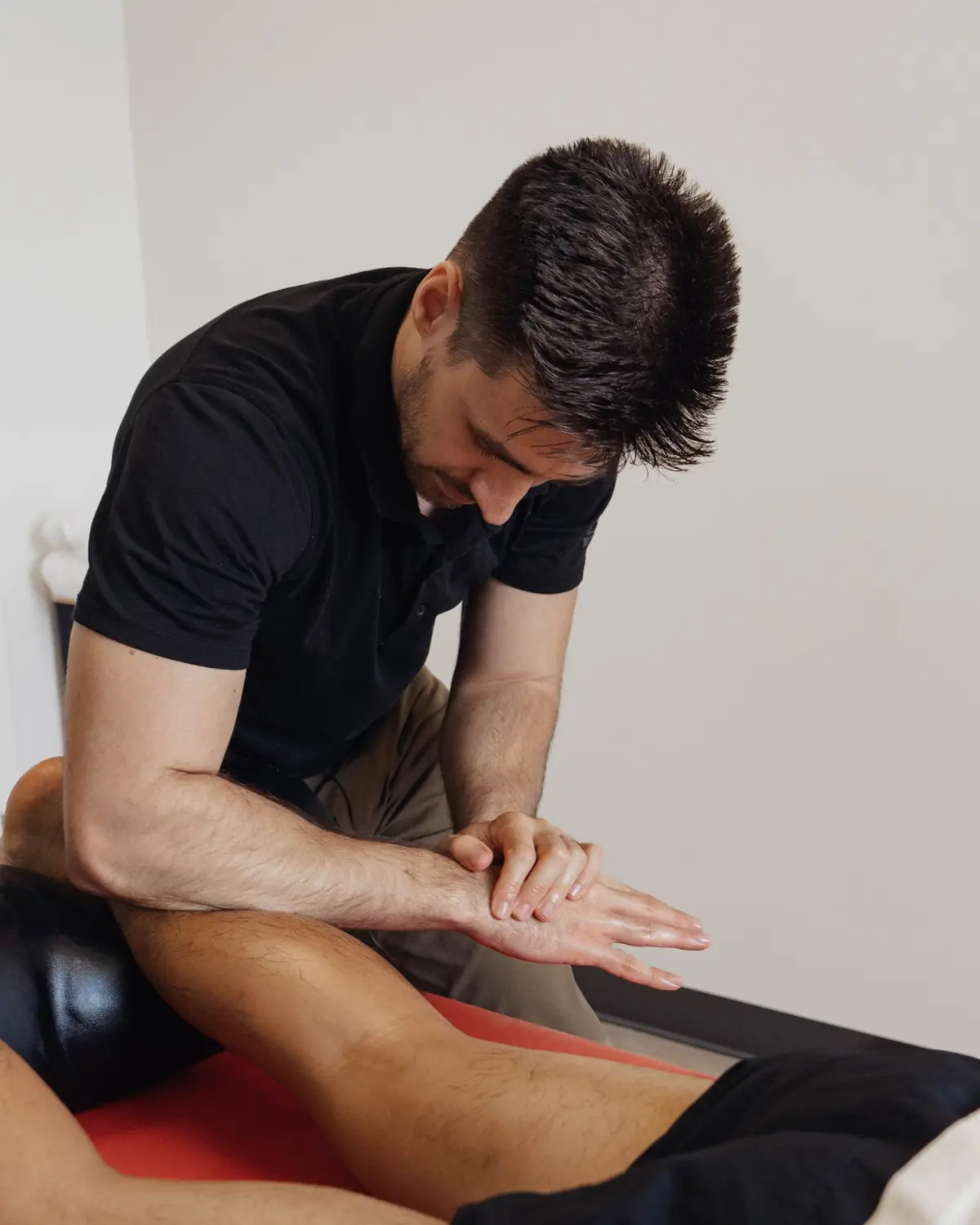
Fascia is a thin, web-like layer of connective tissue that surrounds and connects your muscles, bones and organs. When it is healthy, it glides easily. After injury, surgery, stress or long hours in one position, it can tighten and stick, pulling on the areas around it.
Myofascial release uses slow, sustained pressure, often with little or no oil, to let these layers soften and move again.
Signs Tight Fascia May Be Holding You Back
- A deep, hard-to-pinpoint ache that stretching does not change
- Stiffness first thing in the morning or after sitting
- Feeling “stuck” when you turn your neck, reach overhead or bend
- Tension that spreads from one area to another, like neck to shoulder blade
- Tightness around old injuries or scars
Benefits of Myofascial Release
- Easier, more comfortable movement
- Less chronic tension in the neck, shoulders, back and hips
- Better posture and body awareness
- A calm, grounding feel that also helps with stress
How Does Myofascial Release Feel?
It feels different from a typical massage. Your therapist holds a gentle stretch or steady pressure for 60 seconds or more and waits for the tissue to soften. You may feel a slow melting sensation, warmth or a mild pull. It is gentle enough for sensitive clients and focused enough for long-standing tightness.
Your Myofascial Release Session in North York
- Assessment Posture, movement and where you feel restricted
- Sustained release Slow, steady pressure along tight fascial lines
- Movement Gentle stretches to help your body use its new range
- Home plan Simple self-release and stretching tips
Our trusted RMTs welcome clients from Don Valley Village, Henry Farm, Parkway Forest and the Fairview Mall area. See our massage prices.
Myofascial Release for Desk Workers and Active Clients
Hours at a desk pull the fascia across your chest and the front of your hips tight, while your upper back and neck work overtime to hold you upright. Over time, that pattern shows up as a nagging ache between your shoulder blades or a stiff lower back after sitting.
Active clients often see a different pattern. Repetitive running, lifting or racquet sports can thicken fascia along the outer thighs, calves and forearms.
Myofascial release helps in both cases by:
- Opening up the chest and the front of the hips
- Easing the pull on your neck, upper back and lower back
- Restoring smooth glide along your legs and arms
- Supporting results from structural integration and sports massage
We direct bill Telus Health, Blue Cross, Sun Life, Manulife and Canada Life.
Good to know
Myofascial Release FAQs
Can’t find your answer? Call (647) 895-0294 or contact our clinic.
What is the difference between myofascial release and deep tissue massage?
Deep tissue massage targets deeper muscle layers with firm strokes. Myofascial release focuses on the connective tissue around muscles, using slower, sustained pressure.
Does myofascial release hurt?
It should not hurt. Most clients feel a gentle stretch or warmth. Your therapist adjusts pressure to your comfort.
How many myofascial release sessions will I need?
Many people feel looser after one session. Long-standing tightness often responds best to three to six sessions.
Is myofascial release covered by insurance?
When it is part of a session with a Registered Massage Therapist, myofascial release is usually covered by extended health benefits. We offer direct billing to most providers.
Book your RMT massage
From mad muscles, to feeling your best.
Assessment, targeted treatment and a plan you can use between appointments. Direct billing to most insurance companies.