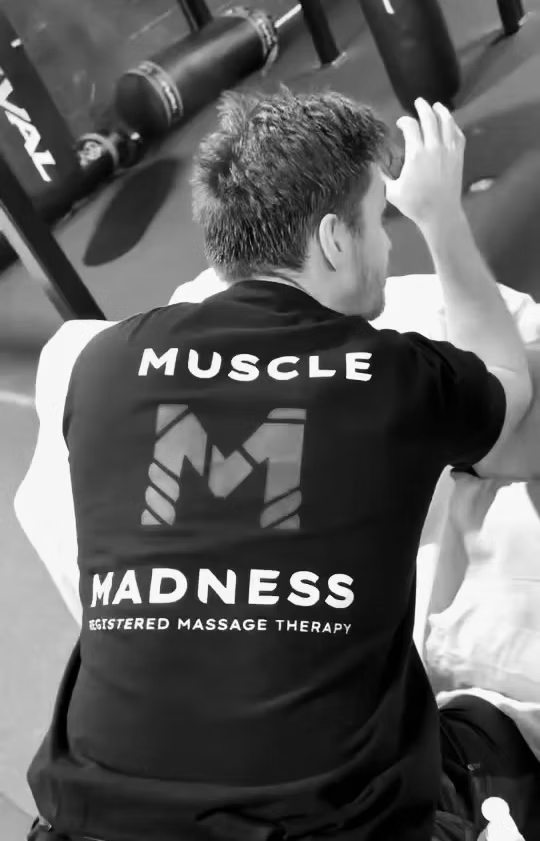
The freeze response is your nervous system’s shutdown mode. When stress feels too big to fight or escape, your body can slow down, numb sensation and conserve energy, leaving you exhausted, foggy, unmotivated and tense. You cannot think your way out; your body needs signals of safety. In North York, gentle care such as craniosacral therapy and Swedish massage can help you feel settled again. Book a session today.
When Stress Becomes Shutdown
When you face long periods of high pressure or a sudden emotional shock, your brain does not just process the stress logically. It changes how your body spends its energy.
Most people know about “fight or flight,” when adrenaline kicks in and you feel wired. But when your nervous system is overloaded for too long, it can skip that active state and drop into a more primitive protective mode: the freeze response, sometimes called the dorsal vagal freeze.
Understanding this shutdown pattern can help you make sense of feeling stuck, and take the first steps toward feeling like yourself again.
Fight or Flight vs Freeze: What Is the Difference?
- Fight or flight Your body speeds up. Heart rate rises, muscles tense and you feel restless, anxious or on edge.
- Freeze Your body slows down. Energy drops, sensation dulls and you may feel numb, heavy, tired or disconnected.
Both are normal survival responses. The challenge comes when your body gets stuck in one of them long after the stress has passed.
Why Does Your Body Freeze?
The vagus nerve runs from your brainstem to your heart, lungs and gut. One branch of it acts like your body’s circuit breaker.
- The emergency brake When your brain senses that stress is more than your body can handle, it pulls the brake and shuts down extra energy use.
- The protective numbing Muscles can feel heavy or flat, your heart rate slows and your senses dull, which helps protect you from overwhelm.
- The foggy mind With your body in low-power survival mode, thinking about the future feels hard. Many people describe this as no motivation, a negative headspace or feeling trapped.
Signs You May Be Stuck in a Freeze Response
- Constant exhaustion, even after sleep
- Brain fog and trouble concentrating
- Feeling numb, flat or disconnected
- Low motivation or feeling stuck
- Shallow breathing and a tight chest
- Jaw clenching, tight shoulders or a tense stomach
If these feelings are strong, ongoing or affecting your safety, please reach out to your doctor or a mental health professional.
How to Help Your Body Feel Safe Again
You cannot think your way out of a freeze response. Your body needs to feel that it is safe.
- Slow, steady breathing Long, calm exhales help shift your nervous system toward rest.
- Safe surroundings and gentle touch Calm spaces and supportive touch send signals of safety.
- Letting tension go Gentle shaking, deep chest breaths and relaxing your jaw help release held tension.
- Gentle movement Walking, stretching and loosening tight areas help your body come back online.
How Massage Therapy Helps Ease the Freeze Response
When your nervous system hits the wall, your body often holds that stress in your muscles. Over time, this can tighten your chest, reduce circulation and leave you feeling exhausted and detached.
Massage therapy offers a hands-on way to help your body feel safe again:
- Calming protective tension Steady, comfortable pressure helps your body ease its guard.
- Improving circulation Massage brings fresh blood flow to tissues tightened by long-term stress.
- Releasing common stress zones Relaxing your jaw, chest and abdomen can help you breathe more fully, think more clearly and sleep better.
At our North York clinic, experienced RMTs may use craniosacral therapy, TMJ massage therapy or calming Swedish massage, depending on what feels right for you.
You do not have to keep carrying the weight of a frozen nervous system. Clear your stress loops, reconnect with your body and restore your peace of mind. Book your session online.
Simple Daily Habits That Support a Calmer Nervous System
- Start the day slowly A few minutes of slow breathing before checking your phone.
- Move every hour Short walks or stretches help your body shake off built-up tension.
- Notice your jaw and shoulders Let your teeth part and your shoulders drop several times a day.
- Wind down at night Dim lights and screens an hour before bed.
- Stay connected Time with supportive people is one of the strongest signals of safety for your nervous system.
Small steps, done often, help your body learn that it is safe to come out of survival mode.
Freeze Response FAQs
What is the freeze response?
The freeze response is a survival reaction where your nervous system slows your body down when stress feels overwhelming. It can show up as exhaustion, numbness, brain fog and low motivation, especially after long periods of pressure or a sudden shock.
What is the difference between fight or flight and freeze?
Fight or flight speeds you up with adrenaline, tension and restlessness. Freeze slows you down, lowering energy and dulling sensation. Many people move between both states during stressful periods.
What does the dorsal vagal freeze feel like?
People often describe feeling heavy, flat, numb, foggy or disconnected. You may feel too tired to start tasks, even simple ones, and notice shallow breathing or a tight chest.
How do I get out of a freeze response?
Focus on your body rather than willpower. Slow breathing, gentle movement, calm surroundings, supportive people and safe, comfortable touch can all help your nervous system shift out of shutdown.
Can massage help with stress and burnout?
Yes. Massage can ease physical tension, support circulation and help your body relax, which many people find helps them sleep better and feel calmer during stressful times.
Can the freeze response cause muscle tension?
Yes. Stress is often held in the jaw, neck, shoulders, chest and stomach. Over time, this tension can feel like stiffness, headaches or a tight, shallow breath.
Is craniosacral therapy good for an overwhelmed nervous system?
Many clients find craniosacral therapy deeply calming. Its very light touch helps the nervous system settle, which can ease sensory overload, poor sleep and tension headaches.
How often should I get a massage for stress?
During a high-stress period, every two to four weeks works well for many people. Once you feel more settled, monthly sessions can help you stay on track.
Can massage replace mental health support?
No. Massage therapy can support how your body feels, but it does not replace care from a doctor, counsellor or psychotherapist. If you are struggling, please reach out for professional support.
Is massage for stress covered by insurance?
Massage by a Registered Massage Therapist is usually covered by extended health benefits. See our massage prices for direct billing details.
Can stress cause jaw clenching and headaches?
Yes. Many people hold stress in their jaw, which can lead to clenching, grinding, jaw soreness and tension headaches. TMJ massage therapy can help ease the muscles involved.
Why do I feel tired even after a full night of sleep?
When your nervous system is stuck in a freeze or high-stress state, rest may not feel restorative. Your body is still on guard, even during sleep. Supporting relaxation during the day can help your sleep feel more refreshing.
Can gentle shaking or movement really help release stress?
Many people find that gentle shaking, stretching or walking helps their body release built-up tension. These simple movements can help your nervous system shift from shutdown toward a calmer, more active state.
Is it normal to feel emotional during or after a massage?
Yes. As your body relaxes, some people feel a release of emotion, such as tears, laughter or relief. This is a normal response, and your therapist will give you space and time to settle.
What type of massage is best for stress?
Gentle, rhythmic techniques like Swedish massage and very light approaches like craniosacral therapy are popular for stress. Your RMT can suggest the best option after a short check-in.
Can breathing exercises help the freeze response?
Yes. Slow breathing with a longer exhale, such as breathing in for four counts and out for six, is a simple way to signal safety to your nervous system. Practising for a few minutes a day can make it easier to settle when stress builds.
How long does it take to recover from burnout?
It varies from person to person. Many people need weeks to months of steady rest, support and lifestyle changes. Regular, gentle body-based care such as massage can be one helpful part of that recovery alongside professional support.
Can massage help me sleep better when I am stressed?
Many clients say they sleep more deeply after a massage. Calming your nervous system and easing tension in your jaw, neck and shoulders can make it easier to fall asleep and stay asleep.